Saturday, August 29, 2015


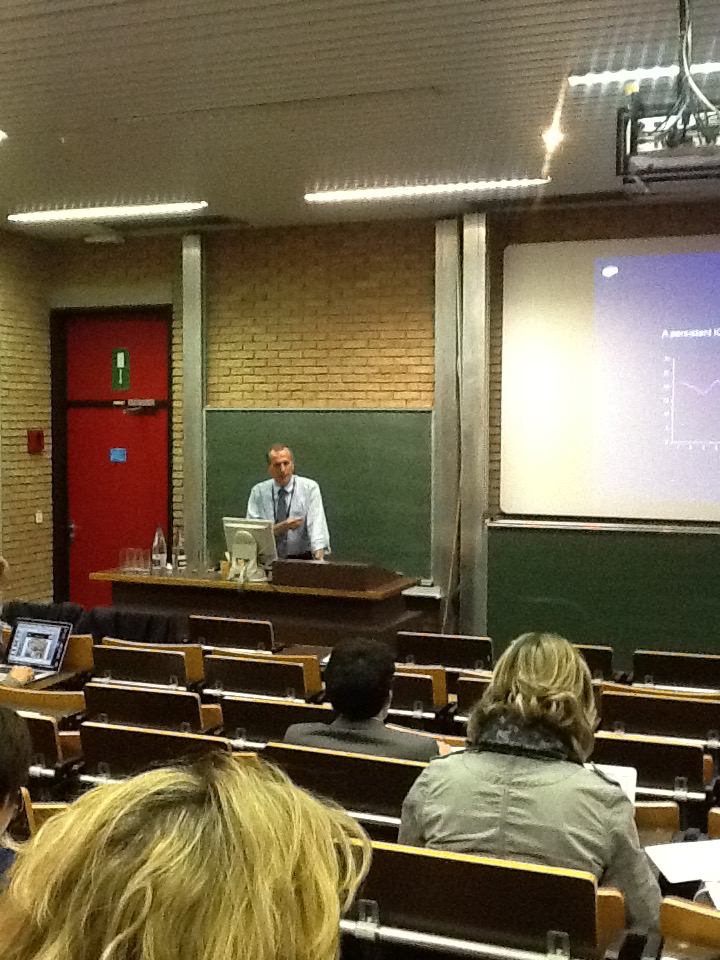
The importance of network collaboration for the development of proteomic research during critical illness

Background
Proteins are the building blocks of biological systems. Recently, more groups are performing descriptive proteomic analysis in patients with acute kidney injury (AKI), sepsis, ARDS and acute brain injury. The main focus of research has commonly been the identification of an early biomarker that with alert the clinician on the development of organ failure. The work of Supavekin et al. and Mishra et al. lead to the identification of NGAL as an early biomarker related to AKI. Chang et al describes the qualitative analysis of protein expression from patients with ARDS. In patients with acute brain injury (ABI), several groups have described many biomarkers that have been related to functional outcome. However, the notion that a single biomarker is responsible for the entire pathophysiologic phenomena is naive. Also, even if the biomarker has a good profile to detect end-organ injury and is cost-effective, no available treatment that would reduce mortality or improve neurological outcome can be offered at the moment.

The importance of network collaboration
Proteomic analysis of serum and other fluids from critically ill patients is an emerging field. However,  samples from patients in the ICU are not often easy to obtain, due to ethical issues, and costs are very high. Also, comparison among different groups research on the same topic is often difficult because of different techniques use to identify the targeted proteins (SELDI-TOF-MS, DIGE,etc), and further methods to validate the results such as ELISA testing, Westerblot, among others. Moreover, the introduction of new technologies like the AB Sciex 5600 Triple TOF with MS/MS Swath spectra quantification allows for more in-deep analysis of the data. Identification of an interactome that orchestrates inflammatory, apoptotic and ischemic pathways may lead to performing better experiments and to develop pharmacologic strategies.  
Sharing this knowledge is of key importance. Collaboration and communication between different groups working on the same project would save time and money. Free and easy to use web-based analytical tools would help develop the field and attract new researchers to join-in the search for novel biomarkers or potential pharmacologic interventions. Only with the collaboration from the industry, the private sector and academic groups, can a network of professionals dedicated to advance the field of proteomic research during critical illness be made.

Conclusion
Proteomic analysis of bodily fluids reveals the pathophysiologic picture of the tissue during acute illness. Development of experiments and computational analysis by individual groups should be available to others in order to generalize results and reduce costs.


follow us at @ForumInt_cc

Wednesday, June 24, 2015

Comprehensive summary

#ISICEM-BRACE Meeting: Brain Critical Care and Emergencies.


In this opportunity, we heard from world-wide experts the latest concepts on neurocritical care management. Faculty members included a multi-disciplinary team conformed by intensivists and neurologists. Key topics on the management of several acute neurological emergencies were discussed. Here, a brief summary of the highlights from the BRACE meeting.


Cerebral blood flow and oxygenation 
Mauro ODDO (Lausanne, Switzerland)
"The most important aspect is the balance between flow and CMRO2".

Vasospasm is a multifactorial event that involves the dysfunction of molecular pathways activated during the acute phase. Dysfunctional pathways included the nitric oxide pathway (impaired blood flow stability) and prostacyclin (impaired vasodilation). Other abnormalities include microvascular dysfunction,  micro-thrombotic vascular occlusions and cortical spreading depolarizations.


Is cerebral micro dialysis helpful?
Raimund HELBOK (Innsbruck, Austria)
"The primary objective after brain injury is the prevent secondary insults".

Cerebral micro dialysis (MD) is still considered an experimental technique and no guidelines are available to use MD in clinical practice. However, it is becoming more evident that regional monitoring of cerebral tissue may be associated with better outcomes. Indeed, PbO2 may not detect as many as 50% of ischemic episodes.


How systemic hemodynamic influence brain function?

Daniel deBacker (Brussels, Belgium)
"The alteration of brain microcirculation during sepsis affects cerebral blood flow"

During sepsis, leucocyte and platelets adhesion the endothelia induce brain microcirculatory dysfunction. These microcirculatory derangements lead to cerebral blood flow alteration and reduction on tissue oxygen tension (PbO2).


Anemia and RBC transfusion
Fabio Taccone (Brussels, Belgium)
"How low can you go?"

The decision to transfuse is related to the severity of the disease. Anemia is associated with poor outcome if associated with low PbO2. RBCT may improve tissue and brain tissue oxygenation. However, liberal RBCT strategy is associated with increase rate of secondary complications such as ARDS, infectious, and microcirculatory alterations.


Fever control
Paul Vespa (LA,USA)
"The brain is 1 degree warmer than the rest of the body"
Fever is very common among patients with brain injuries. Fever is associated with worsening neurological outcome. However, fever can be effectively controlled and intravascular cooling devices seem to be better than surface cooling devices.


ICP crisis
Nino Stocchetti (Milan, Italy)
"What matters is the consequence of increase ICP and not the actual number"

If ICP increases from 8 to 18 but with associated reduce awareness, mydriasis or hemiparesis then treatment must be initiated immediately. However, if transient increase in ICP is not associated with any neurological signs, than immediate treatment is probably not necessary. 


follow us at @ForumInt_cc

Tuesday, June 2, 2015

Comprehensive summary
#ISICEM-Course on Metabolic and Nutritional Issues 
in the ICU.

Day1

Today was the first day of the advance metabolic and nutritional ICU course, were world-wide experts debated on critical issues of daily ICU management. Authors come from different countries such as Belgium, France, Sweden, Netherlands, Germany and Switzerland.
Here we present a comprehensive summary of todays key messages from each speaker.


Metabolic response to stress. 
Dr. Jean-Charles Preiser (Brussels, Belgium)
"Homeostasis is needed for life"
During critical illness, circulating levels of orixigenic hormones (gherlin), are reduced. Also,  circulating levels of anorexigenic levels (PYY), are elevated.


The benefits and risks of insulin resistance.
Dr. Peter Soeter (Maastricht, Netherlands)
"The brain does not rely exclusively on glucose"
In critically ill patients, a target blood blood glucose level of 10 mmol (180 mg/dL). Lower levels increase the risk of hypoglycemia and decreases the host response to injury. With 50% of energy requirements covered by glucose, this risk is diminished in host response promoted.


Protein catabolism.
Dr. Jan Wernerman (Stockholm, Sweden).
" Techniques to asses protein metabolism have inherent limitations".
During critical illness, protein catabolism is unevenly distributed in between organs. This means that protein stores  could not be use to maintain homeostasis. However, measurement of proteins metabolism during critical illness is related to measurement biases.


Anabolic resistance
Dr. Jean-Paul Thissen (Brussels, Belgium)
"We should try to increase anabolic stimulus and decrease the resistance threshold"
Anabolic resistance was defined as the inability of skeletal muscle to respond to anabolic stimuli by stimulating protein synthesis and inhibiting proteolysis. There are several factors associated with increase  anabolic resistance such as age, inflammation, cancer, splachnic sequestration and micro-vascular alterations.


Autophagy
Dr. Michael Casaer ( Leuven, Belgium)
" Suppression of Autophagy was associated with organ failure"
Unfortunately, results from a animal studies depicting the role of autophagy have been un-conclusive. More data is needed to understand the role of this highly preserved pathway during critical illness.


Gastrointestinal dysfunction
Alain-Michel Dive (Yvoir, Belgium)
"Patients in the ICU have abnormal inter digestive migratory motor complex function and are not able to start a normal feeding pattern".
Patients that are mechanically ventilated have abnormal retrograde duodenal bolus propagation with almost zero activity at the gastric level. This increase the risk of ileus and broncho-inhalation.


Management of gastric residual volumes
Dr. Jean Reignier (La Roche Sur Yon, France)
"The myth of gastric volume"
Gastric residual volume monitoring should be removed from the standard of care of critically ill patients receiving mechanical ventilation and early enteral nutrition.


Measurements of energy expenditure
Dr. Elisabth de Waele (Brussels, Belgium)
Formulas for estimating the caloric need of critically ill patients are not reliable. Theses formulas may over-estimate the caloric need and thus increase the risk of over-feeding.
However, indirect calorimetry can be performed in only 50% of patients in the ICU, and technical issues make this technique also difficult to perform.


Protein turn-over
Dr. Jan Wernerman (Stockholm, Sweeden)
" The use of protein turnover measurements has the potential to guide protein feeding to critically ill patients"


Assessment of body composition
Dr. Claude Pichard (Geneva, Switzerland)
"It is almost impossible to measure body composition in ICU patients".
Assessment of body composition by CT-scan or MRI could correlate with nutritional risk and outcome. It could reflect the efficiency of nutrition support and thus allow to tailor treatment to patient´s characteristics.


follow us at @ForumInt_cc

Wednesday, April 15, 2015

The era of meta-data in health and during critical illness.

A new personalized approach to critical illness is necessary. Evidence base medicine compares heterogeneous populations and so far has brought few (if any) available treatments fro critically ill patients. This approach lacks individualization of treatment. This kind of "signature medicine" could only come from the analysis of genomic, proteomic and metabolomic data from large population-based set of healthy individuals and compare it to specific patterns present during the disease state. During critical illness, identification of specific patterns of activation could increase the chance of therapeutic success by inhibiting or stimulating different parts of the interactome. More over, integration of hemodynamic, respiratory, and/or metabolic data, will allow multiple variables to be analyzed. This requieres a significant challenge for the medical community. From governmental policies to allow massive collection of blood samples from a given population, to researchers, clinical physicians, laboratory, protein data-banks and the general population. After the collection of millions of samples from healthy controls and from every disease state, we could have a population-based profile of homeostasis and track the deviation from this pattern of individual patients. Knowledge of every component involved in the dis-regulation of homeostasis would allow for specific treatments in each case. We could even tailored drug exposure to reduce secondary effects and toxicity according to models done with bio-informatics. Only after identifying if the individual pattern of each patients as a possible responder, then the best "evidence based" therapy should be initiated.
I do not address to the multiple possibilities that could develop from this hypothesis, since interaction and individuality are now at the center of human evolution.


follow us at @ForumInt_cc

Tuesday, March 17, 2015

OMICS session at the 35 th International symposium on Intensive Care and Emergency Medicine (ISICEM) symposium, 2015. 
Omics: the basics.


Today we had the pleasure of attending the 35th ISICEM session on Omics during critical illness,  
moderated by Prof. P Schuetz and Prof. B Kavanagh.
Prof. Brian Kavanagh (Toronto, Canada) works at the Hospital for Sick Children and he´s also Chair of the Department of Anesthesia at the University of Toronto. 
Prof. Philipp Schuetz  (Aarau, Switzerland) is an attending physician at the Kantonsspital Aarau, University of Basel.


1. Overview, by Tom van der Poll (Amsterdam, NL).
"Targeting specific components of the human genome in mixed populations can reduce heterogeneity".

 In my opinion this was the best talk of the session. He did a good job on highlighting the importance of increasing the knowledge in medicine and taking that next text on tailored treatments according the individual characteristics.
Proteomic analysis of bodily fluids in critical care patients seems feasible and easy (in the majority of cases) and many have reported results, specially in the field of sepsis. But, does it come with a high price and thus only available to highly specialized centers?


2. Genomics, by Dr. Jean-Paul Mira (Paris, FR).
"The price is not the problem".

The key note of his lecture was when he left the stage: "we need a bank!!", an Omics bank. Definitively a great idea. A large database of samples from healthy control patients could be compared to samples from critical care patients and reduce time consuming efforts. Also, international cooperation of different groups working in clinical and animal research in Omics during critical illness will allow a more rapid development of the fill.


3. Transcriptomics, by Hector R. Wong (Cincinnati, USA).
"Powerful, unbiased approach for discovery and generating new hypothesis".

I really enjoy when he said that the future will be the integration of genomics, transcriptomics, proteinomics and metabolomics to answer a clinical question. It maid be feel that in the future we will need to re-think the way we treat patients. For now, Omits during critical illness remain an hypothesis generating method.


4. Proteomics, by Jochen Hinkelbein (Cologne, Germany)
"We must exclude certain proteins of no interest before doing the statistical analysis".

And it´s true...excessive amount of proteins that are of no interest (e.g albumin, fibrinogen) complicates the statistical analysis of your data set. How to choose witch protein to exclude? He recommended that high abundance proteins like albumin should be excluded. Low abundance proteins are not detected. So, he seem to said that we should focus on proteins that are between those ranges. However, this remains subjective and methods to exclude such proteins in a more objective way such be developed.
He recommended 2D electrophoresis as the method of choice for identifying proteins. However, i must say that this could not be true for patients with acute neurological emergencies. Many now recommend LC/MS as the method of choice for CSF analysis.


5. Metabolomics, by Kenneth Christopher (Boston, USA)
"Lost of homeostasis is a common trait of critical  illness".

This talk was all about strategy. He said that untargeted metabolic strategies are time consuming, and tends to be bias towards the detection of abundant molecules. He then used the term false discovery rate (FDR), a source of bias present in the analysis of abundant molecules. He suggested principal component analysis (PCA) or partial least squares discriminant analysis (PLS-DA) has means to reduce dimensionality preserving variance of data.


6. Clinical applications, by Jean Daniel Chiche (Paris, FR)
" Evidence based medicine will evolve to precision medicine".

Omics has multiple applications in different fields of medicine. It can help select the correct quimotherapy in specific tumors but it could also help select the appropriate antibiotic in patients with sepsis. Specific treatment tailored to each individual patient will be the future. Also, predicting doses of vitamin k antagonist or platelet inhibitors by Omic-analysis of proteins related to drug metabolism will be possible. Finally, acquisition of big data sets from heterogenous population will allow for predictive models of disease and thus development of new strategies for treatment.


follow us at @ForumInt_cc